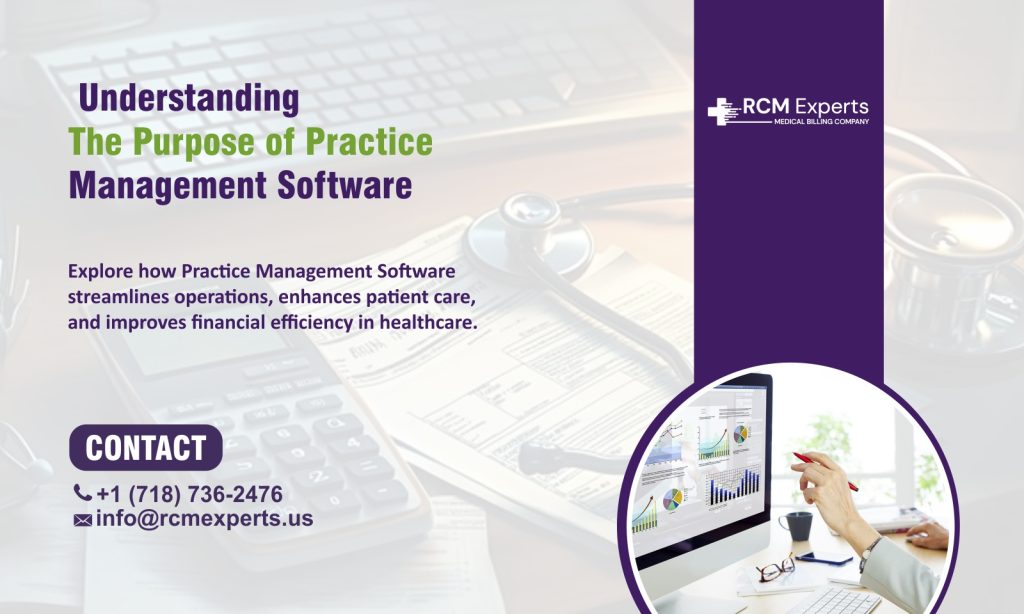
In the healthcare industry, managing a medical practice goes beyond providing patient care. It involves handling numerous administrative, compliance, and financial tasks, all of which are crucial to a practice’s success and efficiency. This is where practice management software (PMS) becomes invaluable. It serves as a comprehensive tool designed to streamline complex processes, improve the effectiveness of healthcare practices, and enhance patient care.
This detailed guide will explore the multifaceted roles of practice management software, examining its core functions, benefits, and the overall impact it has on the healthcare sector.
Understanding Practice Management Software
Practice management software is a vital system used by healthcare providers to manage day-to-day operations within their practices. This technology automates and organizes processes such as scheduling, billing, patient tracking, and comprehensive reporting, enabling medical offices to operate more smoothly and effectively.
Core Functions of Practice Management Software
With practice management software, healthcare facilities can perform a broad array of tasks crucial to maintaining smooth and efficient operations:
- Appointment Scheduling: PMS facilitates the efficient scheduling of patient appointments, optimizing both time and resources to reduce wait times and enhance service delivery.
- Patient Registration and Record Keeping: PMS manages patient data from initial registration through ongoing medical records maintenance, ensuring that patient information is organized and readily accessible.
- Billing and Financial Management: Automating the billing processes and claims management, PMS helps practices reduce errors, ensure accuracy, and enhance their revenue cycle management.
- Insurance Claim Processing and Tracking: The software streamlines insurance claim submissions and monitors them through to resolution, reducing the administrative burden and improving financial efficiency.
- Reporting and Analytics: Built-in analytics tools provide insights into practice performance, financial health, and patient demographics, helping in strategic decision-making and resource allocation.
This comprehensive functionality supports not just the operational needs of healthcare facilities but also contributes to improved patient care and financial stability. By integrating these essential services, practice management software ensures a cohesive, efficient, and effective approach to healthcare management.
Benefits of Scheduling with Practice Management Software
Effective scheduling is a crucial feature of practice management software, providing several significant benefits:
- Efficiency and Time Management: By optimizing the scheduling of appointments, PMS ensures that medical staff and equipment are used effectively, reducing downtime and increasing patient throughput.
- Reduced No-Shows: Automated reminders sent by the system help decrease the rate of missed appointments, which directly impacts the practice’s profitability and operational efficiency.
- Improved Patient Experience: User-friendly scheduling interfaces make it easy for patients to book and manage their appointments, enhancing overall satisfaction and engagement with the practice.
This streamlined approach not only sharpens daily operations but also significantly enhances patient engagement and satisfaction by simplifying how they interact with the practice.
Expanding on the Benefits of Practice Management Software
Enhanced Administrative Efficiency
Practice management software automates routine tasks, allowing staff to concentrate on higher-priority aspects of patient care and service. This results in reduced administrative overhead and improved operational workflows, making practices more effective and responsive.
Optimized Financial Performance
PMS enhances financial health through accurate billing and streamlined claims processing, improving cash flow and minimizing errors. This leads to better financial outcomes and reduced overhead costs associated with billing and administrative errors.
Compliance and Security
With stringent healthcare regulations in place, such as HIPAA in the U.S., PMS helps practices maintain compliance by securing patient data and managing necessary documentation and audit trails effectively.
Scalability
As practices expand, they face increased complexities in managing a larger volume of patients and data. PMS is designed to scale with the growing needs of a practice, supporting increased demands without compromising performance or patient care quality.
Integration with Other Systems
Modern PMS solutions integrate seamlessly with other healthcare IT systems, such as electronic health records (EHRs) and laboratory information systems (LIS), creating a cohesive ecosystem that enhances data integrity and accessibility across the practice.
Strategic Impact of Practice Management Software
Implementing practice management software affects much more than administrative tasks—it directly influences the quality of patient care. By reducing the time healthcare providers spend on administrative duties, more time and resources are available for patient interactions and outcome improvements.
Furthermore, the integration of PMS with EHRs and other clinical systems ensures that patient records are comprehensive and current, supporting better clinical decisions and improved health outcomes.
The Future Role of Practice Management Software in Healthcare
As technology continues to advance, the role of practice management software in healthcare settings is set to become even more pivotal. This evolution is driven by the need for more sophisticated data management and improved operational workflows that can adapt to the increasing complexities of healthcare delivery.
The integration of artificial intelligence and machine learning within practice management systems promises to further refine the accuracy of medical billing and enhance predictive analytics. These advancements will allow healthcare providers to anticipate patient needs and manage resources more efficiently, leading to better patient outcomes and optimized practice operations.
Closing Remarks
The purpose of practice management software is to empower healthcare providers through sophisticated technology that simplifies complex processes, enhances operational efficiency, and improves both patient and provider experiences. As the healthcare landscape continues to evolve, the role of PMS becomes increasingly critical in ensuring that practices not only survive but also thrive.
By leveraging the capabilities of PMS, medical practices can achieve operational excellence, enhance the quality of patient care, and secure their financial health amid the challenges of a rapidly changing environment.