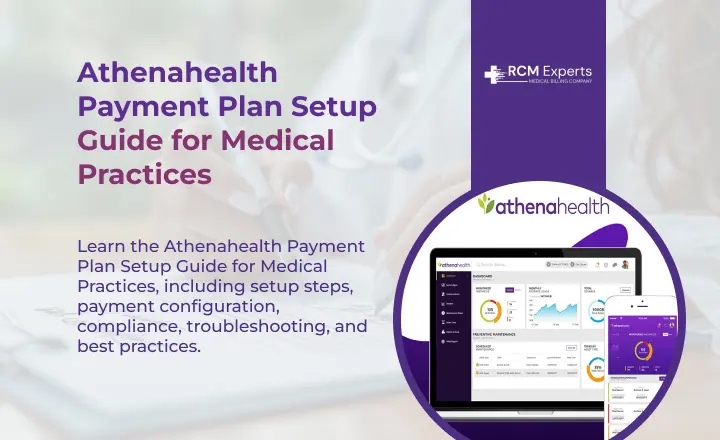
Small medical practices often face the dual challenge of managing limited resources while maintaining efficient operations. Athenahealth offers a platform designed to improve practice management by combining essential tools like billing, scheduling, and clinical workflows. By adopting best practices and utilizing the platform effectively, small practices can enhance efficiency and financial outcomes.
This guide provides detailed strategies to help small practices maximize the benefits of Athenahealth and address common challenges.
Core Features of Athenahealth
Athenahealth simplifies operations and enhances practice management through its comprehensive features. Understanding these tools is the first step toward utilizing the platform effectively.
Integrated EHR and Billing Systems
Athenahealth connects electronic health records (EHR) with billing systems, helping practices reduce duplication of efforts. This integration ensures a smoother workflow, saving time and minimizing errors.
Efficient Scheduling Tools
The scheduling tools allow patients to self-schedule and make online payments, which improves appointment adherence and reduces no-shows. These features help optimize the scheduling process, making it easier for staff and patients alike.
Performance Analytics and Reporting
Real-time analytics and reporting tools enable practices to track financial performance metrics such as denial rates and reimbursement trends. These insights are invaluable for identifying inefficiencies and improving decision-making.
Strategies to Use Athenahealth Effectively
To gain the maximum benefit from Athenahealth, practices should adopt specific strategies that align with their operational goals. By focusing on customization, training, and analytics, practices can unlock the platform’s full potential.
1. Adjust Workflows to Fit Practice Needs
Adjusting workflows ensures that the system aligns with a practice’s unique requirements. This can improve efficiency and reduce errors in everyday processes. For example:
- Claims Management: Use rules to detect and correct errors before claims submission.
- Patient Registration: Automate data collection during patient intake to reduce manual work.
- Billing Processes: Configure billing workflows to meet payer-specific guidelines, minimizing delays.
Making these adjustments allows the practice to operate more efficiently while reducing administrative burdens.
2. Train Staff to Use the System
Proper training ensures that all team members can use Athenahealth efficiently. Key areas to focus on during training include:
- Appointment management, ensuring staff can handle scheduling effectively.
- Claims error resolution, reducing rework and delays in reimbursements.
- Performance tracking using the analytics dashboard.
Well-trained staff can better utilize the platform, reducing errors and ensuring smoother workflows.
3. Use Analytics to Improve Financial Performance
The analytics tools provided by Athenahealth can help practices monitor and improve their financial health. Regularly reviewing performance data can provide actionable insights. Key metrics to track include:
- Clean Claim Rates: Monitor how often claims are accepted without errors.
- Denial Rates: Identify and address common reasons for claim denials.
- Collection Trends: Track revenue over time to identify fluctuations.
Regular monitoring ensures that practices can address inefficiencies and improve their financial processes.
After implementing these strategies, practices often notice smoother operations, fewer errors, and improved financial outcomes.
Addressing Common Challenges
While Athenahealth is a powerful tool, practices may encounter some challenges when using the platform. Identifying and addressing these issues can further improve its effectiveness.
System Limitations
Some users find delays when navigating specific front-office tasks, such as selecting patients before scheduling. To mitigate this:
- Train staff to streamline their navigation within the platform.
- Review workflows to identify and eliminate unnecessary steps.
This approach can help reduce frustration and improve day-to-day operations.
Data Security
Data security is a critical consideration in healthcare. Practices must take proactive steps to safeguard patient information. These include:
- Implementing multi-factor authentication for system access.
- Conducting periodic audits to detect vulnerabilities.
- Training staff to recognize and avoid phishing attempts.
By addressing these security concerns, practices can ensure compliance and maintain patient trust.
When challenges are addressed proactively, practices can use Athenahealth with confidence and achieve better results.
Benefits of Optimizing Athenahealth
By effectively using Athenahealth, small practices can achieve multiple benefits. These advantages extend beyond financial improvements to include operational efficiency and better patient satisfaction. Key benefits include:
- Faster Reimbursement: Improved billing workflows reduce delays in payments.
- Reduced Administrative Work: Automation allows staff to focus on patient care instead of repetitive tasks.
- Enhanced Patient Experience: Features like online scheduling make interactions more convenient for patients.
These improvements help practices achieve sustainable growth and improve overall satisfaction for both staff and patients.
How Athenahealth Billing and Practice Management Services Can Support Your Practice
Athenahealth billing and practice management services provide small practices with the tools needed to simplify administrative tasks and enhance revenue cycle performance. These services integrate scheduling, billing, and clinical workflows, allowing practices to minimize errors and improve efficiency. By addressing key challenges such as claim denials and delayed reimbursements, they enable healthcare providers to focus on patient care while achieving financial stability.
Closing Remarks
Using Athenahealth effectively can help small practices enhance their operations and improve financial performance. By focusing on workflows, staff training, and regular monitoring, practices can overcome challenges and achieve smoother processes. These efforts create a stronger foundation for both administrative and clinical success.
Incorporating athenahealth billing and practice management services provides additional support for reducing administrative burdens and improving cash flow. With thoughtful implementation, small practices can deliver high-quality care while achieving sustainable growth and financial stability.