Are claim denials hurting your cardiology practice revenue? Studies show that 90% of claim denials are preventable with proper systems. The average cardiology practice loses $5 million annually due to claim denials. Athenahealth reports that practices using their system reduce denials by 30-40%. Manual billing processes have a 19.3% denial rate on average. Electronic systems like Athenahealth cut denial rates to just 5-7%. Technology makes a huge difference in claim acceptance rates.
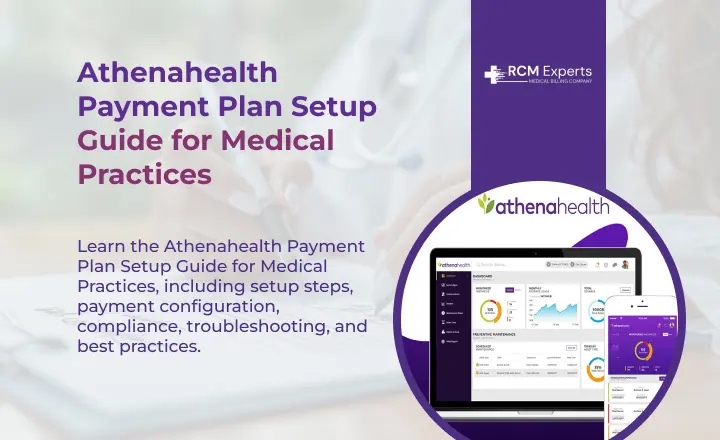
Athenahealth is a cloud-based medical billing and practice management platform. The system automates many billing tasks that cause errors. Over 160,000 healthcare providers use Athenahealth nationwide for billing needs. The platform includes real-time eligibility checks, automated coding suggestions, and claim scrubbing. Research shows automated billing reduces staff workload by 35%. Practices using Athenahealth see payments 25% faster than manual systems. The system’s denial management tools help recover 60% of initially denied claims.
This guide shows how to use Athenahealth to reduce cardiology denials. We cover setup, automation features, and best practices for success. You will learn proven strategies to improve your claim acceptance rates. Following these steps can save your practice thousands of dollars monthly.
Understanding Athenahealth Features
Athenahealth provides powerful tools for cardiology billing. The system automates many error-prone manual tasks.
Real-Time Eligibility Verification
Athenahealth checks patient insurance before every appointment automatically. The system verifies coverage in real-time within seconds. Staff know if prior auth is needed before providing service. This prevents denials from coverage issues completely. Eligibility checks reduce denials by 18% on average.
Automated Coding and Documentation
The platform suggests correct CPT codes based on documentation. Built-in code checker validates all codes before submission. Automated alerts warn about common cardiology coding errors. The system prevents unbundling and bundling mistakes automatically. Code suggestion features reduce coding errors by 45%.
Claim Scrubbing Technology
Athenahealth scrubs every claim before submission automatically. The system checks for over 3,500 potential billing errors. Claims are validated against payer-specific rules instantly. Missing info alerts appear before claim submission occurs. Clean claim rate improves to 95% with scrubbing.
Setting Up Athenahealth for Success
Proper system setup is critical for denial reduction. Configuration affects how well the system works. Taking time to set up correctly pays off.
Initial System Configuration
Enter all payer contracts and fee schedules correctly. Configure cardiology-specific CPT codes in the system. Set up automated rules for common procedures. Input all provider credentials and NPI numbers accurately. Configure authorization requirements for each insurance company.
Template Customization
| Template Type | Key Elements | Denial Prevention |
| Procedure Notes | Medical necessity, time, technique | Prevents documentation denials |
| Authorization Forms | Clinical info, procedure codes | Reduces auth denials |
| Superbills | Common codes, modifiers | Improves coding accuracy |
| Patient Forms | Insurance details, guarantor info | Cuts eligibility denials |
User Training and Adoption
Train all staff on Athenahealth features thoroughly. Focus on real-time eligibility check procedures first. Teach proper use of coding suggestion tools. Train staff on claim scrubbing alerts and fixes. Require staff to complete all Athenahealth training modules. Test staff knowledge with practice scenarios regularly.
Preventing Common Cardiology Denials
Certain denial types affect cardiology practices the most. Athenahealth has specific tools for each type. Using the right tools prevents predictable denials.
Prior Authorization Management
Athenahealth tracks all auth requirements by payer. The system sends automatic reminders before the auth expires. Staff can submit auth requests directly through the platform. Track auth status in real-time within the system. Set up alerts for procedures needing prior approval. Authorization tools reduce auth-related denials by 35%.
Medical Necessity Documentation
- Use built-in medical necessity templates for procedures
- Auto-populate clinical indicators from patient records
- Include relevant diagnosis codes automatically in notes
Coding Accuracy Tools
Athenahealth coding assistant suggests appropriate CPT codes. The system alerts about modifier requirements for cardiology. Built-in edits prevent common coding mistakes automatically. Code validation checks ensure the diagnosis supports the procedure. Bundling rules prevent unbundling errors before submission.
Monitoring and Analytics
Athenahealth provides powerful reporting tools for denial tracking. Regular monitoring identifies problem areas quickly.
Denial Tracking Dashboard
Track denial rates by payer, procedure, and reason. The dashboard shows denial trends over time graphically. Compare your rates to national benchmarks automatically. Identify the top denial reasons affecting your practice. Monitor which staff members have the highest denial rates. Real-time dashboard updates throughout the day.
Key Performance Indicators
Monitor clean claim rate (target: 95% or higher). Track days in accounts receivable (target: under 35 days). Measure denial rate percentage (target: under 5%). Watch denial overturn rate (target: over 60%). Track authorization denial rate (target: under 3%). Review these metrics weekly for best results.
Reporting and Action Plans
Generate denial reports by category, weekly, or monthly. Analyze patterns to identify root causes of denials. Create action plans to address the top denial reasons. Track improvement after implementing changes to processes. Share reports with all staff in monthly meetings. Use data to guide additional training needs.
Best Practices for Ongoing Success
Maintaining low denial rates requires consistent effort. Following best practices keeps denial rates low. Regular reviews and updates are essential for success.
Daily Workflow Optimization
Check real-time eligibility for every patient daily. Review claim scrubbing alerts before submission each day. Address denied claims within 24 hours of notification. Submit appeals with supporting documentation immediately when needed. Update patient information at every visit without exception. Follow up on pending claims weekly consistently.
Regular System Updates
Update fee schedules when payer contracts change. Add new CPT codes when released annually. Refresh authorization requirements quarterly at a minimum. Update staff training on new features monthly. Review and optimize templates every 90 days. Keep payer rules current in the system. Regular updates prevent denials from outdated information.
Continuous Staff Education
- Hold monthly training sessions on denial prevention
- Review denied claims in team meetings for learning
- Celebrate staff who maintain low denial rates
Conclusion
Athenahealth provides powerful tools to reduce cardiology billing denials significantly. Real-time eligibility checks prevent coverage-related denials before they happen. Automated coding and claim scrubbing catch errors before submission occurs. Proper setup and staff training are essential for maximizing results. Regular monitoring through analytics identifies problems early for quick fixes.
FAQs
Q1: How much can Athenahealth reduce denials?
Ans: Practices typically see a 30-40% reduction in denial rates. Most cardiology practices achieve under 5% denial rate. Results depend on proper setup and staff training. Consistent use of all features maximizes denial reduction.
Q2: How long does Athenahealth’s setup take?
Ans: Initial setup takes 2-3 weeks for full configuration. This includes entering all payer contracts and fee schedules. Template customization adds another 1-2 weeks, typically. Staff training runs parallel to the technical setup process.
Q3: Does Athenahealth work for small cardiology practices?
Ans: Yes, it works well for practices of all sizes. Small practices benefit from automated features the most. The system scales based on practice needs. Cloud-based platform requires no IT infrastructure investment.
Q4: What is a good denial rate target?
Ans: Aim for under 5% denial rate with Athenahealth. Top-performing practices achieve 3% or lower denial rates. The national average is 5-7% with electronic systems. Manual billing typically has 15-20% denial rates.
Q5: How quickly will we see results?
Ans: Most practices see improvement within 30-60 days. Initial results appear after the staff completes training. Full benefits are realized after 90 days of use. Continuous improvement occurs with consistent system use.