Do you lose money on heart billing errors? Are claim denials hurting your practice revenue? Studies show that 80% of medical bills have errors. Heart billing accounts for 15% of all claim denials. The average practice loses $125,000 each year from billing mistakes. Wrong coding causes 42% of all heart claim rejections. These errors cost practices thousands in lost revenue every year.
Heart billing is more complex than other medical specialties today. Heart procedures need specific CPT codes and detailed docs always. Medicare denies 20% of heart claims on first submission. Prior auth issues cause 30% of payment delays for practices. Insurance companies review expensive heart claims more carefully than others. Manual billing processes increase error rates by 35% compared to automated ones. Understanding common errors helps practices prevent costly billing mistakes.
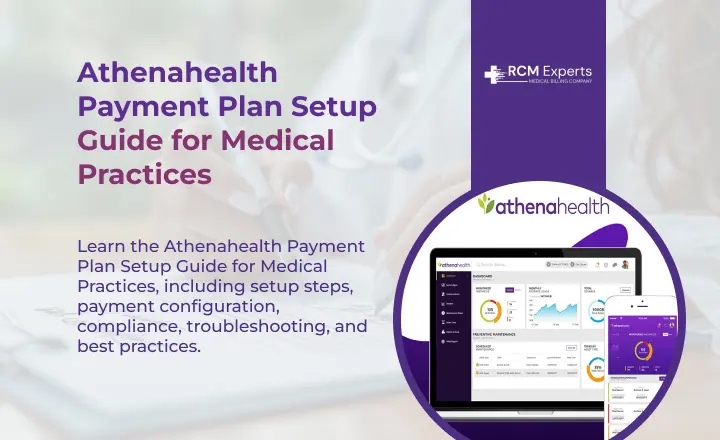
Athenahealth offers advanced billing solutions that cut errors significantly for practices. The platform uses automated coding checks to catch mistakes before submission. Real-time claim scrubbing finds 90% of errors before claims leave. Built-in compliance tools ensure Medicare and insurance rules are followed. Practices using Athenahealth report 25% fewer claim denials than the industry average. The system cuts billing costs by 15-20% for heart practices. This guide shows common errors and how Athenahealth prevents them.
Common Heart Billing Errors
Heart billing has unique challenges. These mistakes cost practices time and money. Understanding errors helps prevent them.
Wrong CPT Code Selection
Wrong CPT codes cause most heart claim denials. Staff may confuse similar procedure codes. Bundling errors happen when billing separate bundled services. Component coding mistakes occur with professional and technical services. Each error leads to claim rejection or underpayment.
Missing Docs
Insurance companies need detailed documents to approve claims. Missing medical need documents cause 25% of claim denials. Incomplete procedure notes fail to support billed codes. Unsigned or undated reports get rejected by insurers. Poor docs make audit defense impossible for practices.
Prior Auth Failures
Many heart procedures need prior auth from insurance. Cardiac cath needs auth 90% of the time. Nuclear stress tests need approval from most insurers. Missing auth causes automatic claim denial. The late author requests delay procedures and revenue. Tracking auth expiration dates prevents coverage gaps.
How Athenahealth Prevents Coding Errors
Athenahealth uses advanced tech to catch coding mistakes. The system checks codes before claim submission. Automated tools cut human error a lot.
Automated Code Checks
The platform checks CPT codes against procedure docs. It flags potential bundling issues before claims are submitted. The system alerts staff to missing modifiers. Code checks happen in real-time during charge entry. Built-in edits catch 85% of coding errors. Practices see fewer denials and faster payment.
Smart Code Suggestions
Athenahealth suggests codes based on procedure docs. Machine learning analyzes millions of claims. The system learns from your practice patterns. Smart suggestions cut manual code lookup time by 40%. Staff training time decreases with coding help. New staff members become productive faster.
Compliance Tools
Built-in compliance rules check Medicare and insurance requirements. The system flags potential fraud and abuse issues. Age restrictions and frequency limits are enforced. Medical need checks ensure proper docs support codes. Compliance alerts cut audit risk by 30%. Regular rule updates keep practices current.
Doc Support Features
Athenahealth helps practices maintain proper doc standards. The platform guides staff through the doc requirements. Better docs lead to fewer denials.
Template-Based Docs
Customizable templates ensure consistent docs across all providers. Heart-specific templates include all required elements. Smart fields auto-populate common info. Templates prompt staff for missing doc elements. Standardized docs improve claim acceptance rates by 20%. Templates cut doc time by 30%.
Real-Time Doc Alerts
The system alerts providers to incomplete docs. Missing elements are highlighted in red. Alerts appear during patient encounters. Critical fields must be completed before closing records. Real-time alerts cut claim denials by 15%. Staff cannot submit incomplete claims. Immediate feedback improves doc quality.
Audit Trail
Complete audit trails track all doc changes. Timestamp records show when docs were created. User tracking identifies who made changes. Audit trails protect practices during insurance audits. Historical docs help defend denied claims. Complete records demonstrate compliance with billing regulations. Tracking features cut liability.
Prior Auth Management
Athenahealth streamlines prior auth processes. The platform tracks auths automatically. Smart alerts prevent auth-related claim denials.
Automated Auth Tracking
The system stores all auth numbers and dates. Alerts notify staff when auths expire. Automatic reminders prompt staff to renew auths. Real-time insurance checks verify coverage. Auth tracking prevents 95% of auth-related denials. Staff spend 50% less time managing auths. Centralized tracking prevents auths from falling through.
Insurance Verification
Real-time checking verifies patient coverage. The system checks the auth requirements automatically. Coverage details display clearly for staff. Benefit limits and patient responsibility are calculated automatically. Verification happens in seconds compared to phone calls. Automatic verification cuts coverage surprises.
Auth Workflow Automation
- Automatic alerts trigger when auth is needed
- Electronic submission speeds auth approval
- Status tracking shows auth progress
Claim Submission and Scrubbing
Athenahealth scrubs claims before submission. Advanced algorithms identify potential problems. Clean claims process faster.
Real-Time Claim Scrubbing
Claims are checked against 10,000+ billing rules. The system identifies errors that cause denials. Edit checks catch formatting errors and invalid codes. Scrubbing happens instantly during claim creation. Clean claim rate improves to 95%. First-pass acceptance rate increases by 30%. Fewer denials mean faster revenue cycle.
Denial Prevention
Machine learning analyzes past denials. The platform identifies patterns in denied claims. Proactive alerts warn staff about potential risks. Analytics show which codes have higher denial rates. Practices can adjust processes based on data. Predictive analytics cut overall denial rates by 25%. Data-driven insights improve billing performance.
Automated Resubmission
Denied claims are automatically queued for review. The system suggests fixes based on denial codes. Corrected claims are resubmitted automatically after approval. Tracking tools monitor resubmission status. Automation cuts resubmission time by 70%. Staff focus on complex denials. Faster resubmission improves collection rates.
Performance Monitoring
Athenahealth provides detailed reporting on billing performance. Real-time dashboards show key performance indicators. Data helps practices identify problems.
Key Performance Indicators
| Metric | Industry Average | Athenahealth Average |
| Clean Claim Rate | 75% | 95% |
| First-Pass Acceptance | 65% | 88% |
| Denial Rate | 15% | 6% |
| Days in AR | 45 days | 28 days |
Custom Reporting
Generate custom reports for specific time periods. Filter data by provider or procedure. Export reports for analysis. Scheduled reports are delivered automatically to staff. Custom reporting supports compliance audits. Ad-hoc reporting allows quick answers. Flexible reporting saves staff time.
Benchmarking
Compare your practice against national averages. Identify outlier claims that need attention. Trend analysis shows improvement or decline. Analytics highlight training needs for staff. Benchmarking motivates staff improvement. Data-driven management improves practice health.
Conclusion
Heart billing errors cost practices a lot of revenue each year. Common mistakes include wrong coding, poor docs, and auth failures. Athenahealth prevents these errors through automated validation. Real-time scrubbing catches 90% of errors before submission. Prior auth tracking prevents coverage-related denials. Performance monitoring helps practices keep improving. Investing in tech cuts errors and improves profitability.
FAQs
Q1: What is the most common heart billing error?
Ans: Wrong CPT code selection causes most claim denials. Staff may confuse similar procedure codes. Training helps, but automated checks work better. Athenahealth catches these errors before submission.
Q1: How much can billing errors cost a practice?
Ans: Average practice loses $125,000 each year from billing mistakes. Heart billing errors cost even more due to high procedure costs. Denials delay revenue and increase staff workload. Athenahealth cuts these losses by 25% on average.
Q1: Does Athenahealth require special training?
Ans: Basic training is provided for all staff members. The system is intuitive and easy to learn. Most staff become productive within two weeks. Ongoing support helps with questions and updates.
Q1: Can Athenahealth integrate with existing EHR systems?
Ans: Yes, it integrates with many major EHR platforms. Integration happens quickly with minimal disruption. Data flows smoothly between systems automatically. Technical support helps with the setup process.
Q1: How long to see improvement after implementing Athenahealth?
Ans: Most practices see improvement within 60-90 days. Clean claim rates improve first, usually. Denial rates drop as staff learn the system. Full benefits are realized within six months.
Q1: What is the clean claim rate with Athenahealth?
Ans: The average clean claim rate is 95% for users. The industry average is only 75% without automation. Better rates mean faster payment processing. Practices get paid 30% faster on average.